User Success & Case Studies

User Success & Case Studies

History

29 July 2000

A Fairy Tale Wedding: Brad Pitt and Jennifer Aniston's Malibu Marriage

On July 29, 2000, Hollywood's golden couple Brad Pitt and Jennifer Aniston exchanged vows in an extravagant $1 million wedding ceremony overlooking the Pacific Ocean in Malibu, California. The lavish celebration, attended by 200 guests including A-list celebrities and industry powerhouses, captured the imagination of fans worldwide and epitomized the glamour and excess of turn-of-the-millennium Hollywood culture. The wedding was a meticulously planned affair that perfectly reflected the couple's status as two of entertainment's biggest stars. Aniston, at the height of her "Friends" fame, and Pitt, riding high on his success in films like "Fight Club," represented the perfect union of television and movie stardom. Their ceremony featured gospel singers, a 13-minute fireworks display, and elaborate floral arrangements that transformed the clifftop venue into a romantic paradise that seemed lifted from a Hollywood movie. The Peak of Celebrity Culture The Pitt-Aniston wedding occurred during a unique moment in celebrity culture, when the public's fascination with star relationships reached unprecedented heights. The couple's every move was documented by tabloid photographers, and their relationship became a cultural touchstone that influenced fashion, beauty standards, and public perceptions of ideal romance. Their marriage represented more than just a union between two attractive celebrities—it symbolized the American dream of success, beauty, and happiness. The media coverage surrounding their relationship helped establish new standards for celebrity weddings and demonstrated the powerful intersection between entertainment, commerce, and public fascination with fame. Media Spectacle and Public Investment The wedding marked a turning point in how celebrity marriages were covered and consumed by the public. Every detail, from Aniston's custom wedding dress to the couple's honeymoon destination, became front-page news and water cooler conversation. The intense media attention surrounding their relationship foreshadowed the later explosion of celebrity culture that would dominate the 2000s. Reflecting Society's Relationship with Fame The global fascination with Brad Pitt and Jennifer Aniston's marriage revealed deeper truths about society's relationship with celebrity culture at the dawn of the new millennium. Their wedding became a shared cultural moment that transcended typical entertainment news, offering the public a glimpse into a seemingly perfect life that many aspired to emulate. The July 29, 2000 wedding remains a defining moment in celebrity culture, representing both the peak of traditional Hollywood glamour and the beginning of the modern era of celebrity obsession. While their marriage would end five years later, the cultural impact of their union continues to influence how we think about celebrity relationships, media coverage, and the public's endless fascination with the personal lives of the famous.  
User Success & Case Studies

History

02 November 1983

A Dream Becomes a Holiday: Martin Luther King Jr. Day Established

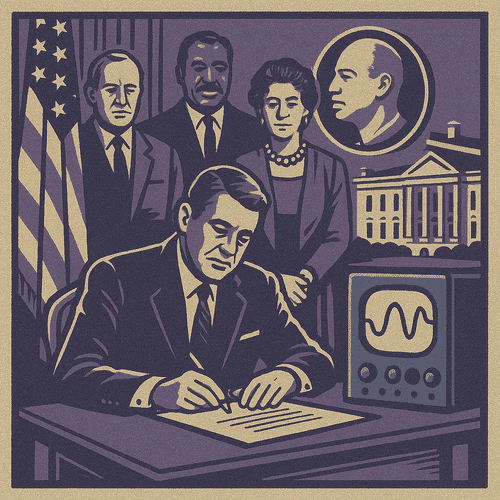
On November 2, 1983, President Ronald Reagan signed legislation establishing Martin Luther King Jr. Day as a federal holiday, making King the first African American and only the third individual American to be so honored with a national holiday. The bill designated the third Monday in January, near King's January 15 birthday, as the annual commemoration, creating a day for Americans to reflect on King's legacy and the ongoing struggle for civil rights and racial justice. The signing ceremony in the White House Rose Garden, attended by King's widow Coretta Scott King and civil rights leaders, marked the culmination of a 15-year campaign to honor the slain civil rights leader with federal recognition. This historic legislation represented both a triumph for the civil rights movement and a complex political compromise that revealed ongoing divisions over King's legacy and racial progress in America. Long Road to Recognition The campaign for a national holiday honoring Martin Luther King Jr. began almost immediately after his assassination in Memphis on April 4, 1968, with Representative John Conyers of Michigan introducing the first bill just four days after King's death. However, the proposal faced significant opposition from conservative politicians who questioned the cost of an additional federal holiday, disputed King's historical significance, and harbored lingering animosity toward King's civil rights activism and opposition to the Vietnam War. Despite strong support from civil rights organizations, labor unions, and many Democratic politicians, the holiday bill repeatedly failed to advance through Congress during the 1970s. The breakthrough came through grassroots mobilization led by Coretta Scott King and the Martin Luther King Jr. Center for Nonviolent Social Change, which collected six million petition signatures supporting the holiday. Musician Stevie Wonder's 1980 song "Happy Birthday," dedicated to King and advocating for the holiday, raised public awareness and generated popular momentum that politicians could no longer ignore. By the early 1980s, numerous states and cities had established their own King holidays, creating a patchwork of observances that supporters argued demonstrated the need for federal action to unify these commemorations. Political Compromise and Controversy The 1983 passage of the King holiday bill required significant political maneuvering and compromise, including Reagan's eventual support despite his initial reluctance and previous opposition to federal holiday expansion. The bill passed the House of Representatives 338-90 in August 1983, followed by Senate approval 78-22 in October, demonstrating bipartisan support though significant conservative opposition remained. Critics, including Senator Jesse Helms of North Carolina, attempted to derail the legislation through inflammatory speeches questioning King's character and alleged communist associations, revealing the persistent racial tensions that the holiday was meant to help address. Reagan's decision to sign the legislation reflected political calculation as much as principle, as Republican strategists recognized the political costs of opposing a widely popular measure, particularly with African American voters. The President's remarks at the signing ceremony praised King's contributions while avoiding the more controversial aspects of King's legacy, including his economic justice advocacy and opposition to the Vietnam War. This selective commemoration of King—emphasizing his "I Have a Dream" speech while downplaying his radical critiques of American capitalism and militarism—would become a pattern in how mainstream institutions celebrated the civil rights leader. Contested Legacy and Continuing Struggle Martin Luther King Jr. Day was first observed on January 20, 1986, though full implementation across all fifty states took until 2000, when South Carolina became the last state to make it a paid holiday for all state employees. This delayed and uneven adoption reflected ongoing resistance to honoring King, with some states combining it with holidays honoring Confederate leaders in transparent attempts to diminish its significance. The holiday's evolution from controversial political compromise to widely accepted national observance mirrors broader changes in how Americans remember the civil rights movement and discuss racial justice. The establishment of Martin Luther King Jr. Day as a federal holiday represented both achievement and limitation—it honored King's contributions while often sanitizing his more radical messages about economic inequality and systemic injustice. Today, the holiday serves multiple, sometimes contradictory purposes: commemorating past civil rights victories, reflecting on ongoing struggles for racial justice, and providing a day of service encouraging Americans to address contemporary social problems. King's elevation to national holiday status confirmed his place as one of America's most significant historical figures while raising ongoing questions about how societies remember and honor leaders who challenged fundamental aspects of their social order.

User Success & Case Studies

History

13 July 2013

A Digital Spark Ignites a Movement: The Birth of #BlackLivesMatter

On July 13, 2013, three simple yet powerful words appeared on social media that would reshape the conversation about racial justice in America and beyond. When activists Alicia Garza, Patrisse Cullors, and Opal Tometi first posted #BlackLivesMatter in response to George Zimmerman's acquittal in the shooting death of Trayvon Martin, they created more than just a hashtag—they launched a global movement that would challenge systemic racism and transform how society confronts issues of racial inequality. The acquittal had left millions feeling that the justice system had failed to value Black life, and the hashtag provided a rallying point for collective grief, anger, and determination. What began as an expression of pain and frustration quickly evolved into a sophisticated network of activists, organizations, and supporters committed to addressing the persistent devaluation of Black lives in America. The digital platform allowed the movement to spread rapidly, connecting people across geographic and social boundaries in ways that traditional organizing had never achieved. From Hashtag to Street Action The power of #BlackLivesMatter became fully evident as it transitioned from digital space to physical demonstrations across the United States and internationally. The movement organized and participated in countless protests, marches, and acts of civil disobedience that brought national attention to police brutality, mass incarceration, and other forms of systemic racism. Each high-profile case of police violence against Black individuals—from Michael Brown in Ferguson to Breonna Taylor in Louisville—saw the movement mobilize supporters and demand accountability. The use of social media to document police interactions and share real-time information transformed how racial injustice was witnessed and understood by the broader public, making it impossible to ignore or dismiss these experiences. Challenging Systems and Sparking Change Black Lives Matter's influence extended far beyond street protests, fundamentally altering political discourse and forcing institutions to confront their role in perpetuating racial inequities. The movement prompted difficult conversations in workplaces, schools, and communities about implicit bias, white privilege, and the need for concrete action to address systemic racism. The movement's impact can be seen in legislative efforts to reform policing, increased corporate commitments to diversity and inclusion, and a new generation of activists and political leaders who center racial justice in their work. While progress has been uneven and resistance persistent, Black Lives Matter has succeeded in keeping issues of racial equity at the forefront of national consciousness. An Enduring Force for Justice Today, more than a decade after that first hashtag, Black Lives Matter continues to evolve and adapt while maintaining its core mission of affirming the value and dignity of Black lives. The movement has demonstrated the power of grassroots organizing in the digital age and proven that social media can be a tool for meaningful social change when combined with sustained activism and clear demands for justice.
logo
  • Introduction

  • Lessons From The Past

  • Cultural Awareness and Diversity

  • Appreciation for Progress

  • Understanding Political and Social Dynamics

  • Preserving Cultural Heritage

  • Conclusion

Terms and ConditionsDo Not Sell or Share My Personal InformationPrivacy PolicyPrivacy NoticeAccessibility NoticeUnsubscribe
Copyright © 2026 Day In History